
The Science of Being Organized, Part 5: Manifestation Meets Neuroscience


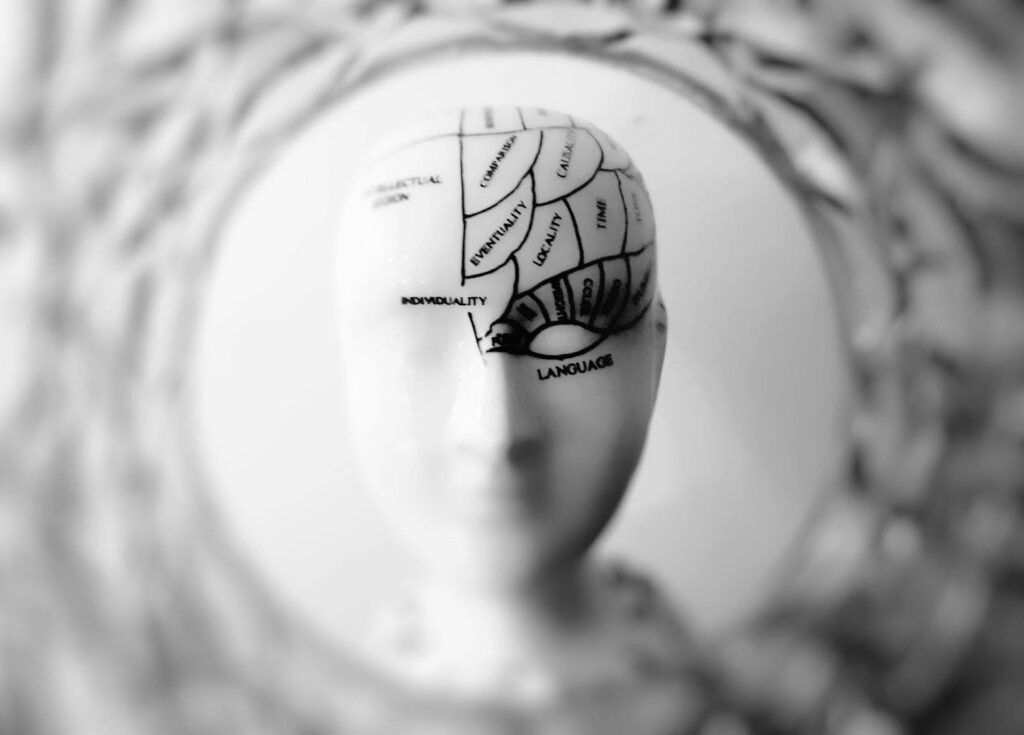
Have you ever decided you wanted to buy a very specific type of car, perhaps a white Volvo, and suddenly you start seeing white Volvos everywhere you go? They are at the grocery store, waiting at the traffic light, and parked on your street. Did everyone suddenly buy the exact same car?
Of course not. Those cars were always there. The only thing that changed was your brain’s filter.
This phenomenon is the perfect starting point for understanding how the spaces we live in are shaped by the thoughts we focus on.
Welcome to Part 5 of The Science of Being Organized. Over the last four months, we have explored how clutter spikes cortisol, how neuroplasticity helps us build habits, how decision fatigue drains our battery, and how mindfulness regulates our nervous system.
Now, we are looking at the foundational blueprint of it all. We are looking at your mindset.
When people hear the word “manifestation,” they often think of vision boards, crystals, and simply wishing for things to happen. It can sound a little too mystical for those of us who appreciate practical systems. But if we strip away the mystical language and look at the biology of the brain, manifestation is actually a deeply neurological process. Today, we are bridging the gap between intention and action, and showing you how visualizing a calm home actually primes your brain to create it.
The Science of the Filter: The Reticular Activating System
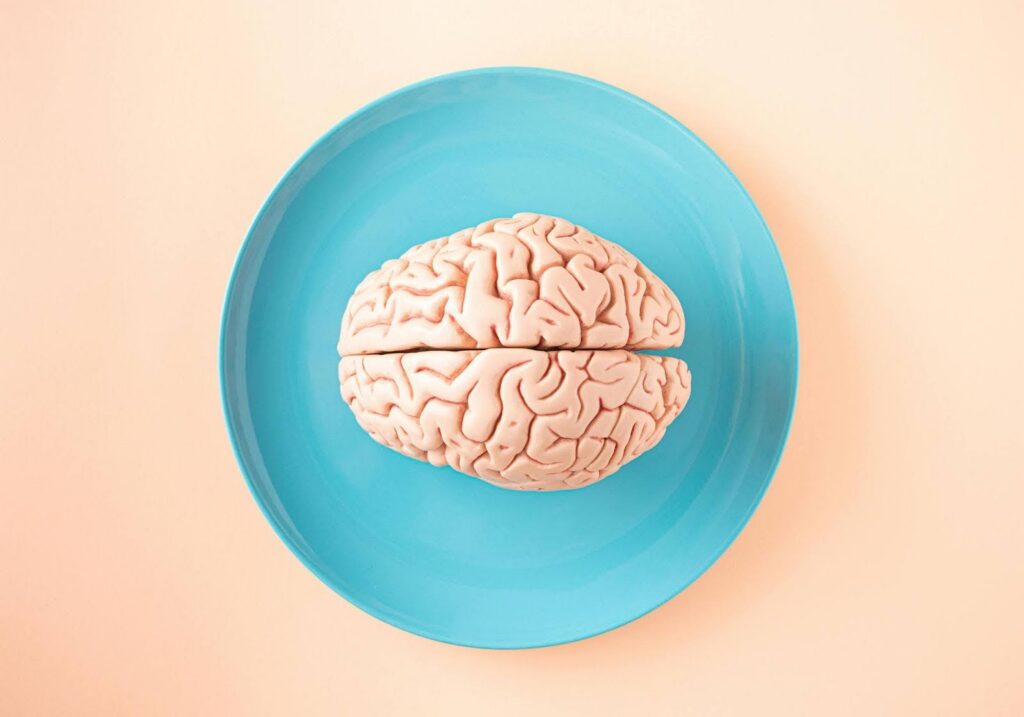
To understand how manifestation works on a biological level, we need to meet a small bundle of nerves at the base of your brainstem called the Reticular Activating System (RAS).
At any given moment, your brain is bombarded with millions of bits of sensory data. You are feeling the temperature of the room, hearing the hum of the refrigerator, seeing the colors on this screen, and processing a thousand other tiny details. If your conscious mind had to process all of this data at once, it would completely short-circuit.
To protect you, the RAS acts as a bouncer at the door of your conscious mind. It filters out the unnecessary information and only lets in what it deems important.
But how does it know what is important? It listens to you.
The RAS prioritizes information based on your beliefs, your focus, and your past experiences. If you constantly tell yourself, “My house is always a disaster,” your RAS accepts this as a core truth. It will then actively filter your perception to show you evidence that validates this belief. You will walk into a room and immediately lock eyes with the pile of mail on the counter, completely ignoring the beautiful, clear dining table right next to it.
Your brain proves you right. It highlights the chaos and hides the progress.
Visualizing an Ordered Space as a Brain-Priming Tool

If focusing on the negative trains your RAS to see chaos, the opposite is also true. You can actively program your RAS to seek out order, clarity, and peace.
This is where the concept of “manifesting” a curated home comes in. It is not about sitting on the couch and magically wishing the laundry would fold itself. It is about intentionally showing your brain a new target.
When you spend time visualizing how you want your home to look and feel, you are giving your RAS a new set of instructions. Neuroscientists have found that the brain cannot easily tell the difference between a highly detailed visualization and a real-life event. When you close your eyes and vividly imagine walking into a calm, welcoming entryway, feeling the relief of clear surfaces, and smelling a fresh candle, your brain fires the same neural pathways as if you were actually experiencing it.
You are priming your brain for success. By visualizing the end goal, your RAS starts looking for opportunities to make that vision a reality. Suddenly, you notice a basket at the store that would perfectly hold your stray shoes. You notice an extra ten minutes in your morning that you could use to process the mail. You start seeing the “white Volvos” of a well-curated life.
Intention Plus Action: The Neurological Bridge

A beautiful vision is only the first half of the equation. Neuroscience shows us that intention must be paired with action to create lasting physical change.
Manifestation without action is just daydreaming. But action without intention is just exhausting yourself.
When you rush around your house trying to restore order without a clear vision of what you actually want the space to do for you, you are simply shifting piles from one corner to another. You might clear a table, but because your brain has not anchored that action to a deeper intention, the table will be covered in things again by tomorrow.
Here is how you bridge the gap between your mindset and your physical reality.
1. Define the Feeling, Not Just the Look: Your brain responds strongly to emotion. When setting an intention for a room, do not just focus on making it look like a catalog spread. Focus on how you want the space to feel. Do you want your bedroom to feel like a sanctuary for rest? Do you want your kitchen to feel like a vibrant space for connection? When you attach a strong, positive emotion to the vision, dopamine is released. This dopamine acts as a motivator, pushing you to take the physical steps required to bring that feeling to life.
2. The Power of “Acting As If”: One of the most powerful ways to rewire your brain is to embody the identity of the person you want to become. If you want a peaceful home, start acting like a person who lives in a peaceful home. A person who values clarity does not leave their shoes in the middle of the hallway. They put them away because it aligns with their identity. When you take small actions that align with your new vision, you solidify those new neural pathways.
3. Celebrate the Micro-Wins: Your RAS is always looking for proof that your new belief is true. Give it the proof it needs. When you successfully clear one small drawer, pause and acknowledge it. Say out loud, “I am creating a space that supports me.” This positive reinforcement tells your brain that you are on the right track, making it easier to tackle the next project.
Why We Get Stuck in the Clutter Loop

Even with a clear vision and a primed RAS, we sometimes hit a wall. We visualize a beautiful, functional space, but we still cannot bring ourselves to let go of the things holding us back.
This friction usually happens because our logical brain is fighting against our emotional attachments. We keep items out of guilt, fear of the future, or a deep tie to the past. Our vision of a curated home clashes with our fear of losing our identity.
But you cannot manifest a new reality if you are entirely anchored to the past. Creating physical space is fundamentally linked to creating emotional space. You have to be willing to let go of who you were to make room for who you are becoming today.
Need help bridging the gap between your vision and your reality? Sometimes the emotional friction is simply too heavy to lift alone. As a professional organizer, my job isn’t just to help you create systems. My job is to hold the space, guide you through the decision fatigue, and help you curate a home that actually supports your nervous system. If you are ready for hands-on support, click here to learn more about my in-home and virtual organizing services.
Conclusion: You Are the Architect
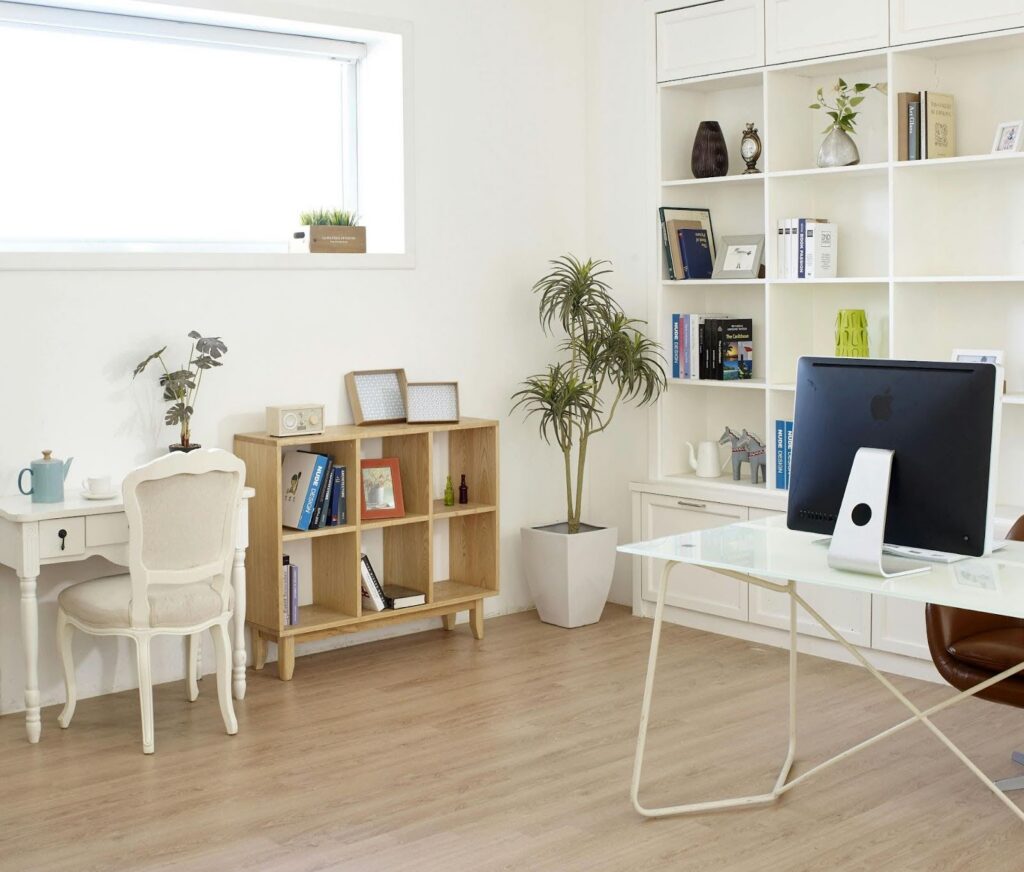
Your home is not just a container for your belongings. It is a physical manifestation of your internal world. The thoughts you think, the beliefs you hold, and the intentions you set literally shape the environment around you.
By understanding how your Reticular Activating System works, you can take back the driver’s seat. You can stop letting your brain scan for stress and start training it to look for peace. You can curate a home that actively supports your well-being simply by deciding that you are worthy of living in one.
The science is clear. Your mind builds the blueprint, and your actions build the house.
Next month: We will tackle the heaviest part of the process in Part 6: Emotional Clutter & Letting Go. We will explore the psychology of why we attach so much meaning to physical objects, how to process sentimental items, and how to finally release the things that are weighing you down without carrying an ounce of guilt.
Frequently Asked Questions
Does visualization really work for something as practical as tidying up?
Absolutely. Visualization is heavily used in sports psychology because it mentally rehearses the motor skills required for a task. When you visualize yourself easily restoring order to a room, you are lowering the mental friction associated with the task. It makes the actual physical process feel more familiar and less daunting to your brain.
How long does it take to reprogram my Reticular Activating System?
There is no magic number, but consistency is the key. The brain learns through repetition. If you spend just two minutes every morning visualizing a calm, supportive home environment, you will start to notice a shift in your perception within a few weeks. You will naturally start making small, unconscious choices that support that vision.
I try to focus on the positive, but I still feel overwhelmed by my space. What is wrong?
Nothing is wrong with you. Overwhelm is a sign that your nervous system is overloaded, which makes it very hard for the prefrontal cortex (the logical, planning part of your brain) to function. If visualization feels impossible right now, step back. Focus on regulating your nervous system first through the mindful practices we discussed in Part 4.
Is manifestation just toxic positivity?
Not when it is grounded in neuroscience. Toxic positivity demands that you ignore reality and only feel happy emotions. Neurological manifestation is about acknowledging your current reality, setting a clear intention for where you want to go, and then using your brain’s natural filtering system to help you take the practical steps to get there. It is highly active, not passive.
References
- Doidge, N. (2007). The Brain That Changes Itself: Stories of Personal Triumph from the Frontiers of Brain Science. Viking Press.
- Dr. Tara Swart. (2019). The Source: The Secrets of the Universe, the Science of the Brain. Vermilion.
- Kosslyn, S. M., Ganis, G., & Thompson, W. L. (2001). Neural foundations of imagery. Nature Reviews Neuroscience.
- Schultz, W. (2015). Neuronal Reward and Decision Signals: From Theories to Data. Physiological Reviews.


